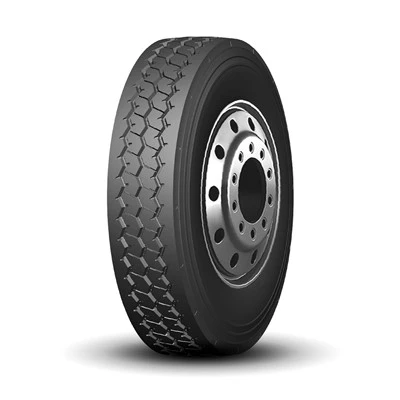

Maxione Group Co., Ltd. is one of the leading manufacturers and suppliers of alloy wheels in China. With a professional production team, we are able to meet the needs of the majority of our customers. Please rest assured to buy bulk premium alloy wheels made in China here from our factory.
Main Materials
Aluminium alloy (most common) A blend of aluminium with small amounts of silicon, magnesium, or copper. It balances light weight, strength, corrosion resistance and cost. Almost all passenger car alloy wheels are aluminium alloy.
Magnesium alloy (rare for daily cars) Lighter than aluminium, but expensive and prone to corrosion. Once popular in racing; rarely used on ordinary road vehicles now.
Carbon-fibre composite wheels Sometimes grouped with performance alloy wheels, but technically not metal alloy. Extremely lightweight and costly, used in supercars.
Manufacturing Methods
Cast alloy wheels (mass-market, most common) Molten alloy is poured into a mould. Low production cost, decent strength. Most factory original alloy wheels are cast.
Forged alloy wheels (high-performance) A solid metal billet is pressed and shaped under huge pressure. Denser, stronger and lighter than cast wheels. More expensive, widely used for sports cars and aftermarket upgrades.
Flow-formed / rotary forged wheels A middle option between casting and forging. The barrel of the wheel is stretched and rolled after casting. Lighter and stronger than ordinary cast wheels, cheaper than fully forged ones.
Advantages of Alloy Wheels
Lighter weight Reduces unsprung mass. It improves steering response, acceleration, braking performance and fuel efficiency.
Better heat dissipation Aluminium conducts heat well. It helps release heat from brake discs, lowering the risk of brake fade during heavy braking.
Stylish appearance Alloy wheels support complex designs, polished finishes, painted or machined faces. They look much more attractive than plain steel wheels.
Corrosion resistance (with proper coating) Good surface coating protects aluminium from rust, unlike steel wheels that easily rust.
Disadvantages of Alloy Wheels
Higher price Much more expensive than steel wheels. Forged alloy wheels cost significantly more.
Easier damage from impact Aluminium alloy is relatively brittle. Hitting potholes or curbs can cause bending, cracking or kerb rash. Steel wheels usually bend instead of cracking.
Repair limits Minor scratches or slight bends can be repaired, but large cracks are unsafe and cannot be fixed.
Risk of corrosion if coating is scratched Once the protective paint layer is chipped, aluminium may oxidize and form white corrosion.
Common Terms Related to Alloy Wheels
Rim: the outer circular edge of the wheel
Hub: the central mounting part
PCD (Pitch Circle Diameter): the bolt hole pattern
Offset: the distance between the wheel's mounting surface and its centre line
Kerb rash: scratches and scuffs on the wheel edge caused by hitting curbs
Unsprung mass: weight not supported by the car's suspension (wheels, tyres, brakes)
Usage Scenarios
OEM (Original Equipment Manufacturer): New passenger cars are commonly fitted with aluminium alloy wheels from the factory.
Aftermarket: Car enthusiasts replace stock wheels with lighter or larger styled alloy wheels for aesthetics or performance upgrades.
Racing: Forged alloy or magnesium wheels are used to reduce weight on race vehicles.
Simple Summary
Alloy wheels are metal-combination wheels mainly made of aluminium. Compared with steel wheels, they are lighter, better-looking and cooler-running, yet more costly and more vulnerable to cracks under hard impacts. They are the standard wheel choice for most modern passenger cars.
Hot Tags: alloy wheels, China alloy wheels manufacturers, suppliers, factory