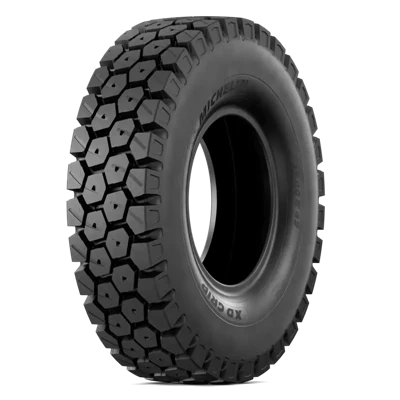
When it comes to operating heavy machinery in icy conditions, the performance of Off - the - Road (OTR) tyres (bias) is of utmost importance. As a supplier of OTR tyres (bias), I have witnessed firsthand the challenges and requirements that these tyres face in cold and icy environments. In this blog, we will delve into how OTR tyres (bias) perform in icy conditions, exploring their design, features, and limitations.
Understanding OTR Tyres (Bias)
OTR tyres (bias) are constructed with a bias - ply design. In a bias - ply tyre, the cords in the tyre's carcass are arranged at an angle (usually 30 to 40 degrees) to the centreline of the tyre. This design provides a certain level of flexibility and durability, making it suitable for heavy - duty applications.
The bias - ply construction gives OTR tyres a robust structure that can withstand high loads and rough terrains. However, when it comes to icy conditions, the performance of these tyres is influenced by several factors.
Traction on Ice
Traction is the most critical aspect of tyre performance in icy conditions. The ability of a tyre to grip the ice surface determines the safety and efficiency of the vehicle. OTR tyres (bias) have some characteristics that affect their traction on ice.
The tread pattern of OTR tyres (bias) is designed for off - road use, which typically features large, deep lugs. In icy conditions, these lugs can provide some initial grip. The edges of the lugs can bite into the ice, creating friction and helping the vehicle to move forward, brake, and turn. However, compared to tyres specifically designed for ice, the traction of OTR tyres (bias) may be limited.
The compound of the tyre also plays a significant role in traction. The rubber compound used in OTR tyres (bias) is formulated to be durable and resistant to wear and tear. In cold temperatures, the rubber can become harder, reducing its ability to conform to the ice surface and decreasing traction. Some modern OTR tyres (bias) are now being developed with compounds that remain more flexible in cold conditions, which can improve traction on ice.
Handling and Stability
In addition to traction, handling and stability are crucial in icy conditions. OTR tyres (bias) need to provide a stable platform for the vehicle to operate safely.
The bias - ply construction of these tyres offers a certain degree of lateral stability. The angled cords in the carcass help to resist side - to - side movement, which is important when driving on slippery ice. However, the large size and weight of OTR tyres can also make the vehicle more difficult to handle. The inertia of the heavy machinery can cause the tyres to slide more easily on ice, especially during sudden stops or turns.
To improve handling and stability, proper inflation pressure is essential. Under - inflated tyres can increase the contact area with the ice, but they can also reduce the tyre's responsiveness. Over - inflated tyres, on the other hand, can decrease the contact area and make the vehicle more prone to skidding.


Impact Resistance
Icy conditions often come with the risk of hitting ice - covered obstacles or potholes. OTR tyres (bias) need to have good impact resistance to withstand these challenges.
The bias - ply construction provides a high level of impact resistance. The multiple layers of cords in the tyre's carcass can absorb the shock from impacts, preventing the tyre from being damaged. However, in extremely cold temperatures, the rubber can become more brittle, increasing the risk of cuts and punctures.
Specific OTR Tyres (Bias) and Their Performance
Let's take a look at some specific OTR tyres (bias) and how they might perform in icy conditions:
- OTR Tyres (Bias) 29.5 - 29: These large - sized tyres are commonly used in heavy - duty mining and construction equipment. The large lugs on the tread can provide some grip on ice, but their size and weight may make them more difficult to handle. The bias - ply construction offers good impact resistance, but the tyre compound may need to be optimized for cold temperatures to improve traction.
- OTR Tyres (Bias) 1800 - 25: These tyres are suitable for medium - to heavy - duty applications. The tread pattern can help with traction on ice, but the performance may be affected by the hardness of the rubber in cold conditions. The bias - ply design provides stability, but proper inflation is crucial for optimal handling.
- OTR Tyres (Bias) 23.5 - 25: These tyres are widely used in various off - road vehicles. The large and deep lugs can offer some grip on ice, but the tyre's performance may be limited by the cold - temperature characteristics of the rubber compound. The bias - ply construction ensures good impact resistance.
- OTR Tyres (Bias) 16.00 - 24: These tyres are often used in smaller off - road equipment. The tread pattern can provide some traction on ice, but the overall performance may be affected by the cold - weather properties of the tyre. The bias - ply design gives the tyre stability and durability.
- OTR Tyres (Bias) 29.5 - 25: These tyres are designed for heavy - duty applications. The large lugs can help with grip on ice, but the large size and weight of the tyres may pose challenges in handling. The bias - ply construction offers good impact resistance, but the tyre compound needs to be considered for cold - weather performance.
Strategies to Improve Performance in Icy Conditions
As a supplier of OTR tyres (bias), we recommend several strategies to improve the performance of these tyres in icy conditions:
- Tyre Chains: Using tyre chains can significantly improve traction on ice. The chains provide additional grip by digging into the ice surface. However, it is important to ensure that the chains are properly installed and adjusted to avoid damage to the tyres.
- Tyre Studs: Some OTR tyres (bias) can be fitted with tyre studs. The studs protrude from the tyre surface and provide better grip on ice. However, the use of tyre studs may be restricted in some areas due to environmental and road - surface damage concerns.
- Proper Maintenance: Regular maintenance of the tyres, including checking the inflation pressure, tread depth, and overall condition, is essential. Properly inflated tyres can improve handling and stability, while sufficient tread depth is necessary for good traction.
- Cold - Weather Tyre Compounds: Consider using OTR tyres (bias) with cold - weather tyre compounds. These compounds are formulated to remain more flexible in cold temperatures, improving traction on ice.
Conclusion
OTR tyres (bias) have a unique set of characteristics that affect their performance in icy conditions. While the bias - ply construction provides durability, stability, and impact resistance, the traction on ice may be limited due to the tread pattern and the cold - temperature properties of the rubber compound. However, with proper strategies such as using tyre chains, tyre studs, and cold - weather compounds, the performance of OTR tyres (bias) in icy conditions can be improved.
If you are in the market for OTR tyres (bias) and need to operate in icy conditions, we are here to help. Our team of experts can provide you with the best advice on selecting the right tyres for your specific needs. Contact us to start a discussion about your OTR tyre requirements and let us help you find the perfect solution for your heavy - duty applications.
References
- "Tyre Technology Handbook" by John F. Carley
- "Off - Road Vehicle Engineering" by Michael J. Korenek
- "The Physics of Tyre Traction" by various authors in the Journal of Automotive Engineering