

When it comes to heavy - duty machinery and large vehicles, giant off - the - road (OTR) tyres play a pivotal role. As a supplier of giant OTR tyres, I often encounter various questions from customers. One question that frequently pops up is: Are giant OTR tyres noisy? In this blog, I'll delve into this topic, exploring the factors that contribute to tyre noise and whether giant OTR tyres are inherently loud.

Understanding Tyre Noise
Tyre noise is a complex phenomenon that results from multiple factors. At its core, tyre noise is generated due to the interaction between the tyre and the road surface. When a tyre rolls on the ground, it deforms continuously. This deformation causes air to be compressed and expelled from the tread pattern, creating sound waves.
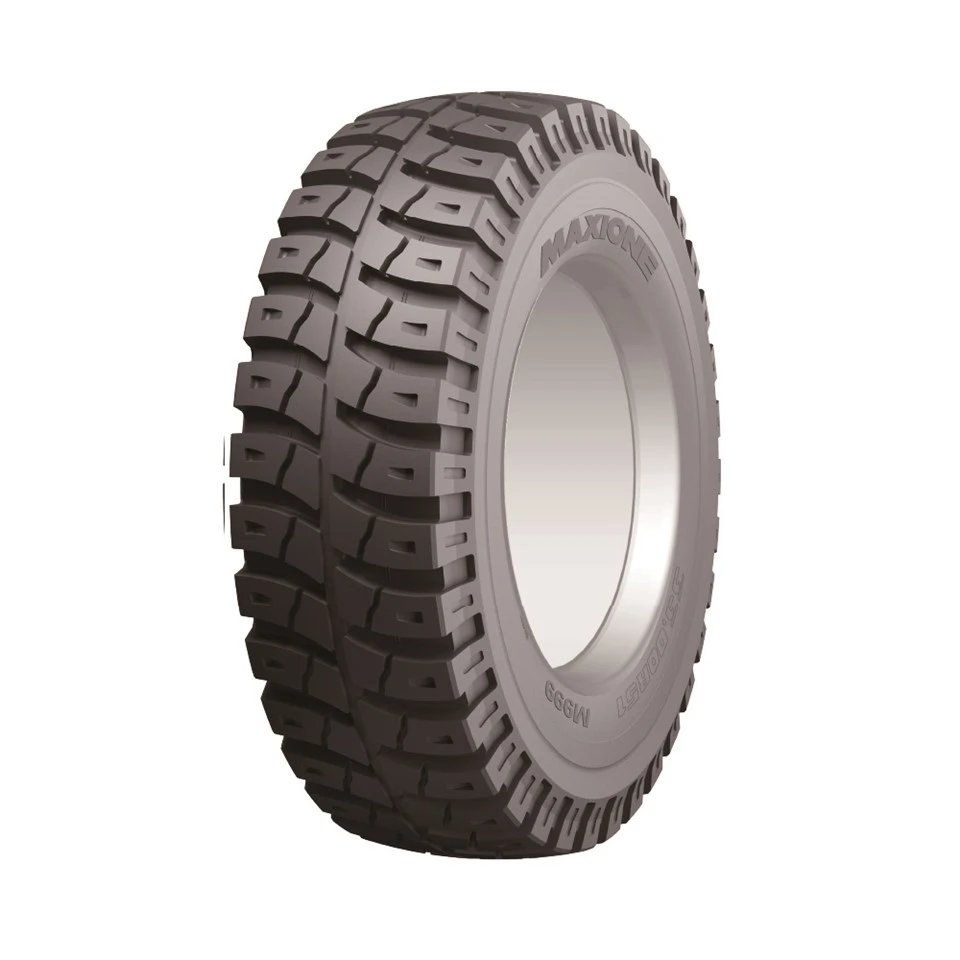
The type of tread pattern is a significant determinant of tyre noise. Tyres with aggressive treads, which are common in OTR applications, tend to produce more noise. These treads are designed to provide maximum traction on uneven and soft surfaces such as mines, construction sites, and quarries. The large blocks and deep grooves in the tread can trap and expel air at a higher rate, resulting in a louder noise compared to tyres with smoother treads used on regular roads.
Another factor is the speed of the vehicle. As the speed increases, the frequency and intensity of the tyre - road interaction also increase. Higher speeds mean more rapid deformation of the tyre and faster expulsion of air from the tread, leading to louder noise levels.
The road surface itself also affects tyre noise. Rough, gravelly, or uneven surfaces can cause more vibrations and noise compared to smooth asphalt roads. In OTR environments, vehicles often operate on rough terrains, which can exacerbate the noise generated by the tyres.
Are Giant OTR Tyres Noisy?
Giant OTR tyres are generally noisier than regular car tyres, and there are several reasons for this. First, their size is a major factor. These tyres are significantly larger in diameter, width, and overall volume compared to standard automotive tyres. The larger surface area in contact with the road means more air is displaced as the tyre rolls, leading to increased noise.
The construction of giant OTR tyres is also designed for durability and performance in harsh conditions. They have thick sidewalls and robust treads to withstand heavy loads, sharp rocks, and abrasive surfaces. This heavy - duty construction can contribute to more noise. The materials used in these tyres, such as high - strength rubber compounds, can also affect the noise level. These compounds are formulated for long - lasting wear and tear resistance, but they may not be optimized for noise reduction.
However, it's important to note that not all giant OTR tyres are equally noisy. Manufacturers are constantly working on improving tyre design to reduce noise levels while maintaining performance. Some advanced OTR tyres feature innovative tread patterns that are engineered to minimize air displacement and reduce noise. For example, some tyres use variable pitch tread designs, where the spacing between the tread blocks varies. This helps to break up the sound waves and reduce the overall noise level.
Impact of Noise on OTR Operations
The noise generated by giant OTR tyres can have several impacts on off - road operations. From an environmental perspective, high - level noise can be a nuisance to nearby communities. In many areas, there are regulations regarding noise pollution, and companies operating heavy - duty vehicles with noisy tyres may need to comply with these rules.
For the operators of the vehicles, excessive noise can be a source of fatigue and stress. Prolonged exposure to high - decibel noise levels can lead to hearing loss and other health issues. In a work environment, this can affect productivity and safety. Operators may have difficulty communicating with each other, increasing the risk of accidents.
How to Mitigate Tyre Noise in OTR Applications
To address the issue of tyre noise, several strategies can be employed. One approach is to choose tyres with low - noise designs. As mentioned earlier, some manufacturers offer OTR tyres with advanced tread patterns that reduce noise. For example, if you're considering tyres for your heavy - duty machinery, you might look into the 30.00 51 tyre. This tyre may be engineered with noise - reduction features in its tread design, making it a more suitable option in noise - sensitive areas.
Vehicle maintenance also plays a crucial role in reducing tyre noise. Proper tyre inflation is essential. Under - inflated tyres can cause uneven wear and generate more noise. Regularly checking and maintaining the correct tyre pressure can help to ensure that the tyres wear evenly and operate quietly.
In addition, the suspension system of the vehicle should be in good condition. A well - maintained suspension can absorb some of the vibrations caused by the tyres and the road surface, reducing the overall noise level.
Comparing Different Giant OTR Tyres in Terms of Noise
Let's take a look at some specific types of giant OTR tyres and how they might compare in terms of noise. The 45 65r39 tire is a popular choice for many heavy - duty applications. Its tread pattern is designed for excellent traction, but depending on the specific design, it may produce a certain level of noise. Some versions of this tyre with more advanced noise - reduction features may be quieter than others.
The 55 80 r57 is another large - sized OTR tyre. Given its size and the nature of the applications it's used for, it can potentially be noisy. However, manufacturers may have incorporated technologies to minimize this noise, such as using specialized rubber compounds or unique tread configurations.
The 33.00 r51 tyre is also a common option in the OTR market. When evaluating its noise level, it's important to consider factors such as the type of vehicle it will be used on, the road or terrain conditions, and the specific design features of the tyre.
For dump trucks, the Giant OTR Tyre For Dump Truck 27.00r49 MA02 is often a top choice. Dump trucks operate in a variety of conditions, from loading areas to transportation routes. Minimizing tyre noise can be beneficial in both mining sites and urban areas where these trucks may travel.
Conclusion
In conclusion, giant OTR tyres are typically noisier than regular car tyres due to their size, construction, and the nature of the terrains they operate on. However, the noise level is not a fixed characteristic, and there are ways to mitigate it. Through advancements in tyre design, proper vehicle maintenance, and careful selection of tyres, it's possible to reduce the noise generated by giant OTR tyres.
If you're in the market for giant OTR tyres and are concerned about noise levels, I encourage you to reach out to us. Our team of experts can provide you with detailed information about the different tyre models we offer, including their noise - reduction features. We can help you select the right tyres for your specific needs, whether it's for a construction project, a mining operation, or a transportation business. Contact us today to start a conversation about your tyre requirements and explore the options available for quieter, high - performance OTR tyres.
References
- Parks, J., & Smith, D. (2018). "Noise Reduction in Heavy - Duty Tyres: A Review". Journal of Automotive Engineering.
- Johnson, M. (2019). "The Impact of Tread Pattern on Tyre Noise". Tire Technology International.
- Brown, R. (2020). "Advances in OTR Tyre Design for Noise and Performance". Off - Road Vehicle Journal.



