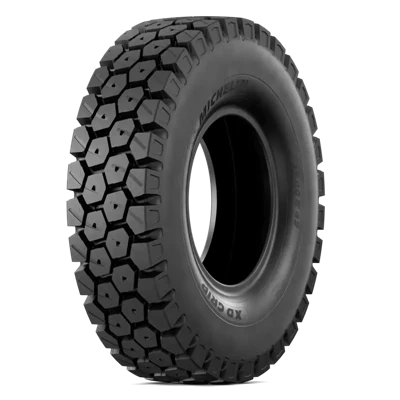
Maintaining your R609 tires is crucial for ensuring optimal performance, safety, and longevity. As a trusted R609 supplier, I understand the importance of proper tire maintenance, and I'm here to share some valuable tips and insights to help you keep your TBR Tyre 315/80R22.5 R609 in top condition.
Regular Inspections
One of the most important aspects of tire maintenance is regular inspections. By visually inspecting your R609 tires on a regular basis, you can identify potential issues early on and take appropriate action to prevent further damage. Here are some key areas to check during your inspections:
- Tread Depth: The tread depth of your tires is a critical factor in determining their performance and safety. Use a tread depth gauge to measure the tread depth at multiple points across each tire. The legal minimum tread depth varies by country, but it's generally recommended to replace your tires when the tread depth reaches 2/32 of an inch (1.6 mm).
- Tire Pressure: Maintaining the correct tire pressure is essential for optimal tire performance and longevity. Check the tire pressure at least once a month using a reliable tire pressure gauge. Refer to the vehicle manufacturer's recommendations for the correct tire pressure for your R609 tires. Underinflated tires can lead to increased fuel consumption, reduced handling, and premature tire wear, while overinflated tires can cause a harsh ride and increased risk of blowouts.
- Sidewall Condition: Inspect the sidewalls of your R609 tires for any signs of damage, such as cuts, bulges, or cracks. These can be indicators of internal damage or structural weakness, and they should be addressed immediately to prevent the risk of a tire failure.
- Alignment and Balance: Proper wheel alignment and balance are important for ensuring even tire wear and optimal handling. If you notice any uneven tire wear or vibrations while driving, it may be a sign that your wheels are out of alignment or balance. Have your vehicle's alignment and balance checked by a professional mechanic at least once a year or more frequently if you drive on rough roads or carry heavy loads.
Proper Storage
When your R609 tires are not in use, it's important to store them properly to prevent damage and extend their lifespan. Here are some tips for storing your tires:
- Clean the Tires: Before storing your tires, clean them thoroughly to remove any dirt, debris, or chemicals. Use a mild soap and water solution and a soft brush to clean the tires, and rinse them thoroughly with clean water. Allow the tires to dry completely before storing them.
- Store the Tires in a Cool, Dry Place: Tires should be stored in a cool, dry place away from direct sunlight, heat sources, and chemicals. Exposure to sunlight, heat, and chemicals can cause the rubber to deteriorate and reduce the lifespan of the tires.
- Store the Tires Upright: Tires should be stored upright to prevent them from developing flat spots. If you need to stack the tires, make sure to place a flat board or other support between each tire to prevent them from touching each other.
- Cover the Tires: To protect the tires from dust, dirt, and other contaminants, cover them with a tire cover or a plastic sheet. This will help to keep the tires clean and prevent them from drying out.
Proper Maintenance Practices
In addition to regular inspections and proper storage, there are several other maintenance practices that you can follow to keep your R609 tires in top condition:
- Rotate the Tires: Regular tire rotation is important for ensuring even tire wear and extending the lifespan of your tires. Refer to the vehicle manufacturer's recommendations for the correct tire rotation pattern for your R609 tires. Generally, it's recommended to rotate the tires every 5,000 to 7,500 miles (8,000 to 12,000 km).
- Avoid Overloading the Vehicle: Overloading the vehicle can put excessive stress on the tires and increase the risk of a tire failure. Refer to the vehicle manufacturer's recommendations for the maximum load capacity of your R609 tires, and make sure to stay within this limit.
- Drive Responsibly: Your driving habits can have a significant impact on the lifespan of your tires. Avoid sudden acceleration, braking, and cornering, as these can cause excessive tire wear. Also, try to avoid driving on rough roads or over potholes, as these can damage the tires.
Troubleshooting Common Issues
Despite your best efforts to maintain your R609 tires, you may still encounter some common issues from time to time. Here are some tips for troubleshooting these issues:

- Uneven Tire Wear: If you notice any uneven tire wear, it may be a sign of a problem with the wheel alignment, balance, or tire pressure. Have your vehicle's alignment and balance checked by a professional mechanic, and make sure to maintain the correct tire pressure.
- Tire Noise: If you hear a loud noise coming from your tires, it may be a sign of a problem with the tire tread, sidewall, or internal structure. Inspect the tires for any signs of damage, and have them replaced if necessary.
- Tire Vibration: If you feel a vibration in the steering wheel or seat while driving, it may be a sign of a problem with the wheel balance or tire alignment. Have your vehicle's alignment and balance checked by a professional mechanic, and make sure to maintain the correct tire pressure.
Conclusion
Maintaining your R609 tires is essential for ensuring optimal performance, safety, and longevity. By following the tips and insights outlined in this blog post, you can keep your TBR Tyre 315/80R22.5 R609 in top condition and avoid costly repairs and replacements.
If you have any questions or need further assistance with maintaining your R609 tires, please don't hesitate to contact us. We're here to help you keep your tires in the best possible condition and ensure your safety on the road. Whether you're looking for a single replacement tire or a large order for your fleet, we're your go - to R609 supplier. Reach out to us to discuss your specific needs and start a procurement conversation.
References
- Tire Industry Association: Tire Maintenance and Safety Guide
- Vehicle Manufacturer's Owner's Manual