1. Duty Cycle & TKPH (The Most Fundamental Factor)
TKPH (Ton-Kilometer Per Hour) = the single dominant factor for heat-related failures.
Actual payload, truck loading practices (overload is very destructive)
One-way haul distance, average operating speed, number of cycles per shift
Continuous running time, idle time, waiting time
Calculated site TKPH vs tire rated TKPH
Procurement note: If site actual TKPH continuously exceeds the tire's rated TKPH, heat separation, belt edge separation and sudden blowouts will occur, no matter how premium the tire brand is. A 10–15% safety margin is necessary.
2. Haul Road Conditions
Road quality directly causes cut, chunking, impact and uneven wear.
Surface type: sharp angular rock, abrasive granite, soft muddy clay, loose gravel
Road maintenance: potholes, boulders left on haul routes, sharp edges at berms and ramps
Gradient, frequent turning, tight curves (produces high side force and shoulder wear)
Road drainage: standing water, mud and slurry (lubricates rock cutting, accelerates rubber ageing and bead corrosion)
Procurement note: For poor, rocky roads, prioritize cut-resistant compound / E5 tread; for well-maintained long haul roads, heat-resistant E4 is better. Road improvement is often cheaper than upgrading to top-tier tires.
3. Tire Specification & Design Matching
Wrong specification selection shortens service life from the start.
Construction: Radial vs bias ply (radial has better heat dissipation; bias has better cut resistance)
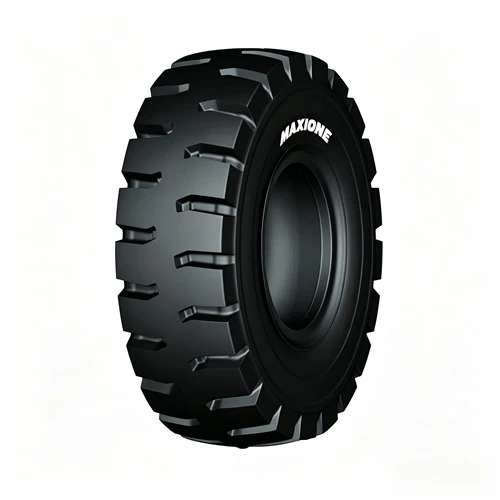
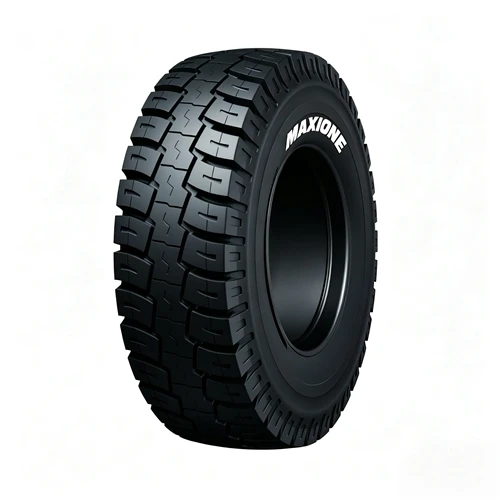
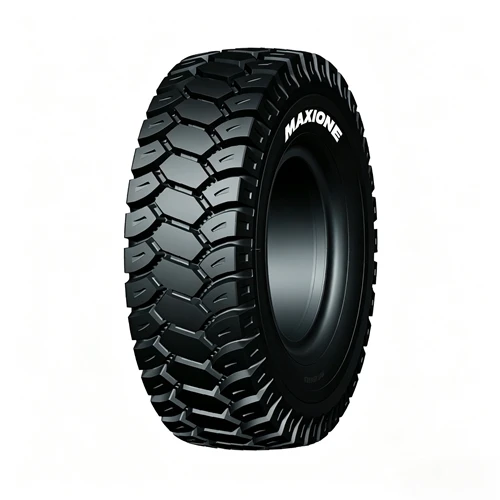
Tread series: E3 / E4 / E5
E3: Good heat & wear performance, low cut resistance
E4: Balanced, mainstream mine selection
E5: Extra deep tread, high cut resistance, poor heat resistance
Rubber compound formula: cut-resistant compound, heat-resistant compound, balanced general compound
Star rating, load capacity, rim fitment, bead design
Manufacturing quality: belt splicing quality, carcass uniformity, internal rubber bonding
Procurement note: Do not blindly choose deeper tread. E5 on high-TKPH routes will fail from heat damage quickly.
4. Inflation Pressure Management (One of the Top Daily Killers)
Both under-inflation and over-inflation are harmful.
Under-inflation: Excessive sidewall flex, heat build-up, bead damage, shoulder separation, uneven wear
Over-inflation: Smaller contact patch, higher ground pressure, more vulnerable to rock cuts and impact breaks
Pressure drift due to temperature change (pressure rises when tire heats up)
Inconsistent pressure between tires on the same axle
Procurement note: TPMS is a worthwhile investment. Many mines gain 15–30% longer tire life with stable pressure control.
5. Vehicle & Loading Operation Behaviour
Overloading: Even minor persistent overload increases axle load and TKPH sharply
Uneven loading: Offset load causes single-side overload and irregular wear
Driving habits: High-speed cornering, sudden braking, hitting berms, driving over scattered rocks
Truck mechanical condition: Brake drag, misaligned axles, suspension faults, wheel hub runout → rapid irregular wear
Procurement note: When comparing supplier tire test data, confirm whether the test fleet follows the same loading and operation rules.
6. Ambient Environment
High ambient temperature: Accelerates heat accumulation and rubber ageing
High altitude: Lower air density, heat dissipation condition changes
Extreme cold: Rubber becomes harder and more brittle, easier to chip and crack
Chemical exposure: Acid rock, salt, chemical leachate, corrosive slurry
UV exposure for spare tires stored in open yards
Procurement note: Inform suppliers of site temperature range and chemical conditions to get matched compound recommendation.
7. Maintenance, Inspection & Repair Practice
Regular visual inspection: cuts, chunks, bulges, embedded stones, sidewall bruises
Timely repair: Plugging/patching of small cuts before cracks propagate into casing damage
Stone trapping: Stones stuck between dual tires or into tread grooves tear rubber
Proper mounting / demounting: Damage to bead area during service is a common hidden failure
Casing care for retread: Good casing management extends total service life via multiple retreads
Procurement note: When evaluating suppliers, check their on-site service capability, cut repair SLA and retread quality. The total life of casing (new + retreads) matters more than first-life tread life.
8. Tire Storage & Handling
Long-term outdoor storage without covering
Improper stacking, tilt storage
Rough transport, impact on sidewall and bead before installation
Procurement note: Include storage and handling guidance in the supplier technical package.